The PEG Pain Scale: A Simple Way to Track Chronic Pain
The PEG scale asks three quick questions instead of one — how bad your pain is, how much it's cut into things you enjoy, and how much it's slowed down your daily activity, giving a fuller picture than a single "0 to 10" number ever could. It takes under a minute to fill out, but it helps doctors see whether pain is really holding your life back, and whether treatment is helping.
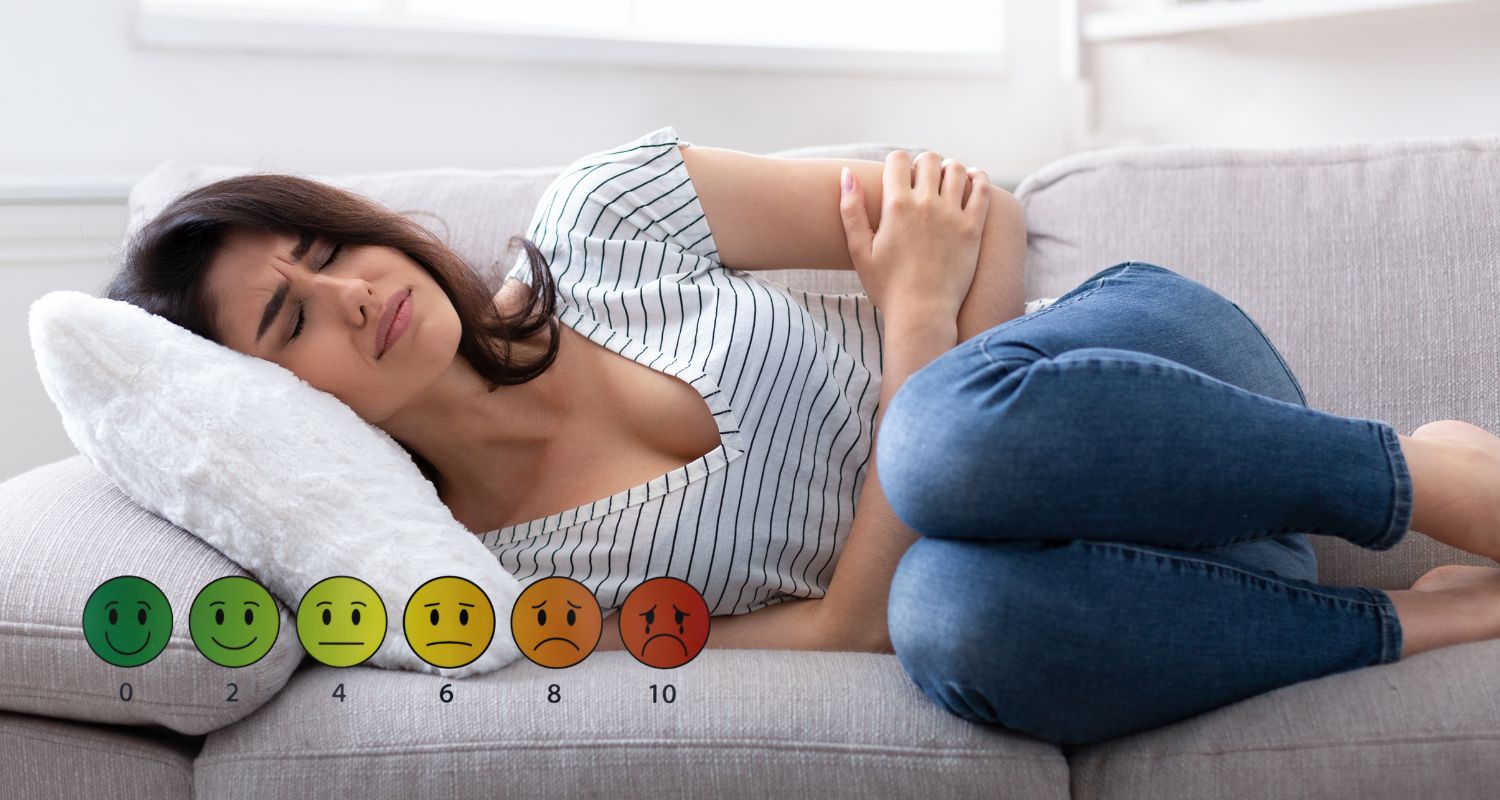
If you live with chronic pain, you've probably been asked the same question a hundred times: "On a scale of 0 to 10, how bad is your pain?" That single number can feel useless. It doesn't say whether the pain kept you from sleeping, from playing with your kids, or from just sitting still and enjoying a quiet afternoon. That's the gap the PEG scale was built to fill.
What PEG Stands For
PEG is short for three things doctors want to know about your pain:
P – Pain. How bad has your pain been, on average, over the past week?
E – Enjoyment of life. How much has pain gotten in the way of things you enjoy?
G – General activity. How much has pain slowed you down in everyday tasks: walking, chores, work, errands?
Each part is rated on a 0 to 10 scale. For pain, 0 means "no pain" and 10 means "pain as bad as you can imagine." For the other two, 0 means "does not interfere at all" and 10 means "completely interferes."
Your final PEG score is just the average of the three numbers. So if your pain was a 6, it interfered with your enjoyment of life at a 5, and it interfered with your activity at a 7, your PEG score is 6 (6 + 5 + 7 = 18, divided by 3 = 6). Clinicians usually round to the nearest whole number.
Why Doctors Use a Three-Question Tool Instead of Just One
A single "how bad is your pain" question misses a lot. Two people can both say "7 out of 10" and be living completely different lives: one might still be working and getting to the gym, while the other can barely get out of bed. By asking about enjoyment and activity too, the PEG scale gives a fuller, more honest picture of how pain is actually affecting someone's day-to-day life.
There's also a practical reason clinics like it: it's fast. Doctors and nurses often don't have time for long questionnaires during a short visit, and a longer tool called the Brief Pain Inventory, which the PEG was built from, has around a three-item PEG assessment scale version specifically so it could be used in everyday primary care settings.
Where the PEG Scale Came From
The PEG scale was developed and tested by researchers led by Erin Krebs, using data from a longitudinal study of 500 primary care patients with chronic pain and a cross-sectional study of 646 veterans recruited from ambulatory care. The goal was to build something brief enough for routine primary care visits, but still reliable enough to trust.
Their research found the three-item scale held up well statistically, with reliability scores of 0.73 and 0.89 across the two study groups (where 0.7 is generally considered solid for a screening tool like this). Since then, the PEG scale has been referenced by major clinical guidelines, including the CDC's Clinical Practice Guideline for Prescribing Opioids for Pain, which recommends it as a tool for tracking function, pain severity, and quality of life.
How Doctors Use Your Score
Your PEG score isn't just a snapshot. It's a way to track change over time. If you start a new medication, physical therapy, or another treatment, your provider might ask you to fill out the PEG scale again in a few weeks. A dropping score is a good sign that treatment is helping. A study that pooled data from multiple clinical trials found that a change of roughly 1 to 2 points on the PEG scale is generally considered a meaningful improvement, not just random day-to-day variation.
That's a useful number to keep in mind if you're tracking your own progress: small day-to-day wiggles in your score are normal, but a steady drop of a point or two over several weeks is worth noting.
Some clinics also use the PEG scale to flag what's called "high-impact chronic pain" - pain that's severe enough to seriously limit daily life. Different studies have used slightly different cutoff scores for this, so I wouldn't state a single universal number as fact; if your provider mentions a specific threshold, that's worth asking them about directly.
Filling It Out Yourself
If your provider hands you a PEG scale, or you find one online through a clinic's patient portal, here's what to expect. You'll answer three simple questions, thinking back over the past week:
What number best describes your average pain?
What number best describes how much pain got in the way of things you enjoy?
What number best describes how much pain slowed down your general activity?
There's no trick to it. Just be honest about the past week, not your best day or your worst day. The value of the scale comes from tracking it consistently over time, so answering it the same honest way each time matters more than getting a "good" score.
The PEG scale isn't trying to capture everything about your pain, it's not measuring where it hurts, what kind of pain it is, or what triggers it. What it does well is give you and your provider a quick, consistent way to see whether pain is holding your life back, and whether treatment is actually helping. It takes less than a minute to fill out, but it can carry real weight in how your care gets adjusted over time.
If you're using it to track your own pain journey, keep your answers in one place: a notebook, a notes app, whatever's easy, so you and your provider can look at the trend together, not just one score in isolation.
This article is for general information and isn't a substitute for medical advice. If you're managing chronic pain, talk with your doctor about whether the PEG scale or another tool is right for tracking your progress.
Take the gym, for example. You go, the endorphins hit, and for two hours, you feel like a superhero. You think, "I'm back! I’ve conquered this!" But in the chronic world, energy has a "late-fee" policy. Three hours later, the crash hits. Your heart rate variability (HRV) drops, your pain levels spike, and suddenly, that morning workout has cost you the ability to make dinner or even hold a conversation.
Scientists warn that the immediate effects of these budget reductions will be felt in ongoing medical research, directly impacting not just women’s health but the entire field of public health.







.svg)




.png)